Safe, effective spider treatments – inside and out
Brisbane’s climate makes spiders a common household issue – especially around eaves, gardens and entry points.

Brisbane’s climate makes spiders a common household issue – especially around eaves, gardens and entry points.
While most household spiders are harmless, regular spider activity around the home can indicate ideal breeding conditions.
Spider control is included as part of Conquer’s General Pest Control package. Rather than chasing individual spiders, our treatment focuses on the areas where spiders live, hide, and build webs.
External treatment of eaves, corners, webs, cracks and crevices where spiders commonly harbour
Targeted internal spot treatments to active web areas where required
Roof void dusting to treat concealed spaces and reduce spider activity originating from out of sight
All treatments are carried out by licensed technicians using products suitable for residential homes, helping reduce spider activity and web re-formation over time.
Spiders are attracted to sheltered web-building areas and a steady food supply. These simple, spider-specific steps can help reduce activity and support long-term control:
Remove existing webs regularly, especially around eaves, window frames, corners, and outdoor lighting (avoid doing this just before your scheduled treatment).
Reduce insects around lights at night, as spiders build webs where insects gather. Consider switching exterior lights to warm or yellow globes.
Seal common spider entry points, including gaps around windows, doors, vents, and weep holes where webs often form.
Clear web-friendly areas, such as under eaves, outdoor furniture, stored items, garages, and carports, where spiders prefer to hide.
Trim back vegetation touching the house, particularly near rooflines and entry points where spiders anchor their webs.
Keep flyscreens and door seals in good condition, as spiders often follow insects indoors.
These steps help make your home less inviting to spiders between professional treatments.

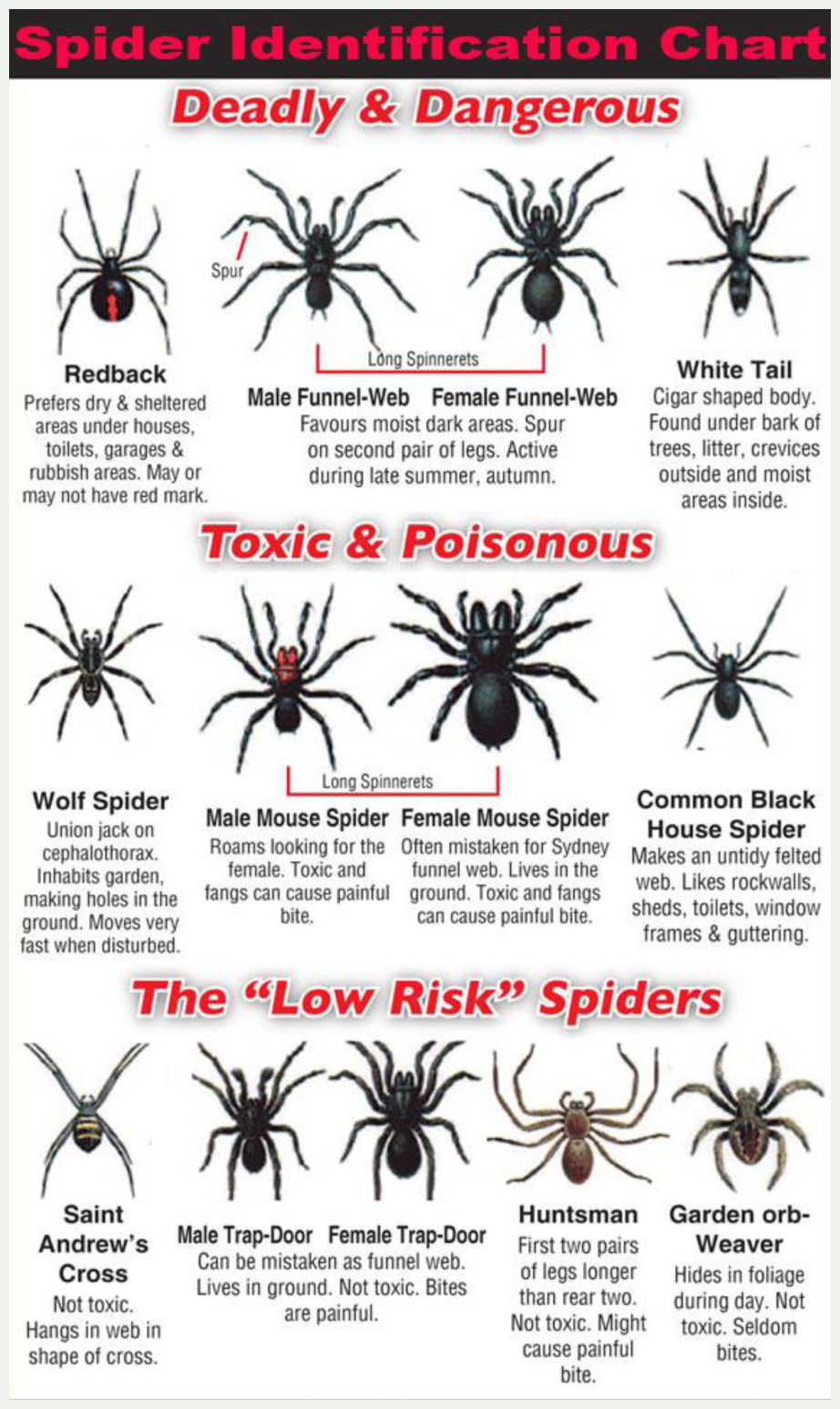
There are three stages in the spider’s breeding cycle – egg, spider-ling and adult.
Many spiders build webs for the purpose of catching insects to eat, some do not catch prey in the webs, and some spiders do not create webs at all. Webbing spiders tend to live in and around domestic dwellings due to the food sources available to them. Redbacks build their webs close to the ground, whereas other spiders will use walls and gutters to create the ideal spot to catch their winged dinner.
There are poisonous and non-poisonous webbing spiders. Spider bites are not usually fatal; however can cause itching, rash, pain around the bite, muscle cramps, blistering red or purple in colour, sweating, difficulty breathing, headaches, nausea, and vomiting.
Webbing spiders are mostly considered a pest because some produce webbing over buildings that can be unsightly, such as the black house spider. However, poisonous spiders such as the red-back spider are considered a health issue due to their small size (easily missed) and location (webbing in domestic areas close to homes/schools) and toxic bite.

Conquer Termites has an experienced team of fully licensed and qualified technicians to provide termite detection and treatment solutions you can trust.
Contact us NOW to make a booking