Lawn grub treatments for Brisbane gardens
Has your lawn suddenly developed brown or patchy areas – even after regular watering? Lawn grubs are a common cause in Brisbane gardens and can damage grass roots quickly if left untreated.

Has your lawn suddenly developed brown or patchy areas – even after regular watering? Lawn grubs are a common cause in Brisbane gardens and can damage grass roots quickly if left untreated.
Lawn grubs can usually be treated effectively, especially when caught early. Left untreated, damage can worsen and recovery becomes harder.
Lawn grubs are a common issue across South East Queensland, particularly between November and May. They tend to affect couch lawns more than varieties like Sir Walter, and outbreaks are more common during periods of heavy rainfall.
The good news is that lawn grubs are usually easy to treat when identified early. Detecting the problem early and acting quickly is the simplest way to prevent widespread lawn damage.
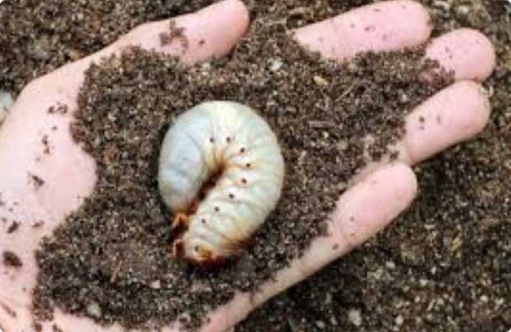
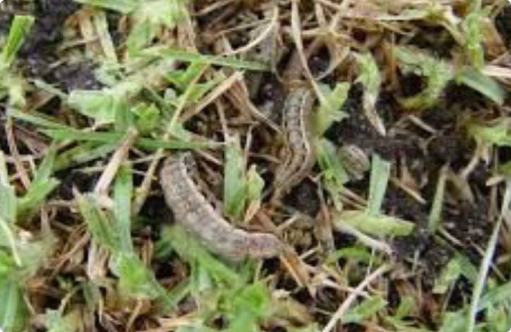
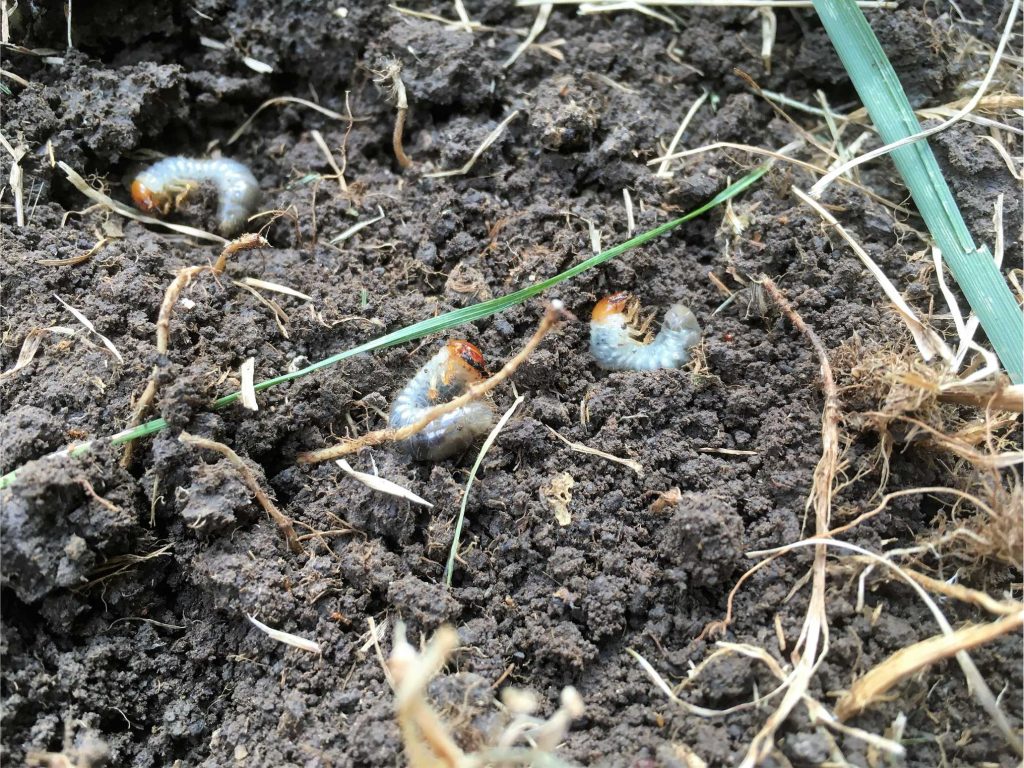
Lawn grub damage often starts below the surface, so early signs can be easy to miss. Some of the most common indicators include:
Increased bird activity
A sudden increase in birds pecking or digging in your lawn is often one of the first signs. Lawn grubs are an easy food source, and birds will quickly find them.
Moths around the home
An increase in moths flying around outdoor lights, eaves, or gutters can indicate adult lawn grub moths laying eggs.
Soft or spongy turf
Grass may feel soft underfoot or lift easily. This happens when grubs feed on the roots beneath the surface.
Brown or dying patches
Irregular brown patches that spread over time — even with regular watering — can signal ongoing grub activity.
Early identification makes treatment far simpler and helps prevent widespread lawn damage.
If you suspect lawn grubs, there are a couple of simple checks you can do at home to confirm activity.
The damp cover test
Place a wet towel, hessian bag, or piece of carpet over an affected area of lawn and leave it overnight. In the morning, lift it and check underneath – lawn grubs often rise closer to the surface in moist, covered conditions.
The soapy water test
Mix a bucket of water with a small amount of dishwashing liquid and pour it slowly along the edge of a damaged area. Within 10 minutes, any lawn grubs present will usually come to the surface.
If these tests confirm grub activity, the next step is treating the problem properly before further lawn damage occurs.
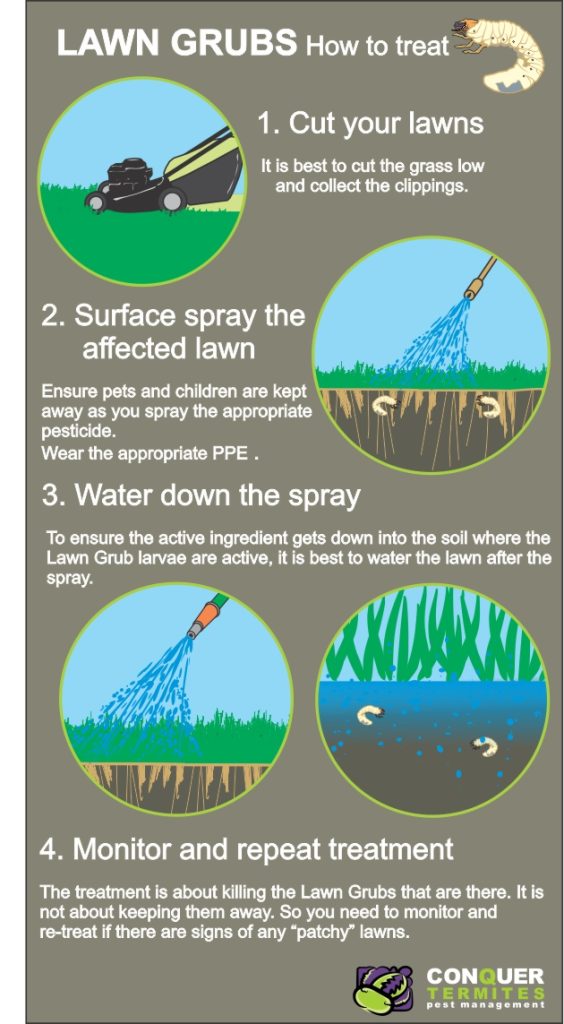
Effective lawn grub control requires the right product, correct application, and proper follow-up.
At Conquer Termites, our licensed technicians use a proven, targeted approach designed to reduce lawn grub numbers quickly and protect your lawn long term.
Our treatment process includes:
Targeted liquid treatment
We apply a specialised, water-based pesticide designed specifically to control lawn grubs. The treatment is sprayed evenly across the lawn under pressure to ensure good coverage.
Watering the treatment into the soil
Immediately after application, the treatment is watered into the lawn. This helps the active ingredient reach the soil zone where lawn grubs are feeding on grass roots.
Rapid reduction in grub activity
This initial treatment significantly reduces active lawn grub numbers in a short period, helping to stop further damage.
Optional follow-up for longer-term control
Where required, we can return 2–3 weeks after the initial treatment to apply a granular lawn grub product. This provides extended protection and helps reduce the chance of re-infestation.
Our focus is on treating the problem properly — not just providing a short-term fix.

Conquer Termites has an experienced team of fully licensed and qualified technicians to provide termite detection and treatment solutions you can trust.
Contact us NOW to make a booking
We dance every time we get a Five Star review in the office!
Lawn grubs feed on grass roots below the surface, stopping the lawn from absorbing water and nutrients.
Lawn grubs are most active from late spring through autumn, especially after periods of heavy rainfall.
Common signs include increased bird activity, spongy turf, moths around the home, and spreading brown patches.
Lawn grubs can usually be treated effectively, especially when caught early. Left untreated, damage can worsen and recovery becomes harder.