Rodent control – safe and effective
Professional rodent baiting programs for Brisbane homes – Targeted rodent control without the guesswork

Professional rodent baiting programs for Brisbane homes – Targeted rodent control without the guesswork
Have you heard scratching sounds in the roof or walls?
Seen a rat running along the fence or noticed droppings around the home?
Rodents have lived alongside humans for centuries, taking advantage of shelter, warmth, and food sources in and around our homes. Once established, they can contaminate food, damage property, and pose health risks through disease and parasites.
Effective rodent control is about eliminating the activity and preventing re-entry, not just reacting to what you see.
There’s no such thing as a silly question – we’re here to help and guide you through the right next step.
Rodent control is not just about placing bait – it’s about understanding rodent behaviour, identifying activity zones, and reducing the conditions that allow rodents to thrive.
When you contact Conquer Termites, one of our experienced technicians will attend your home to assess the situation. This includes identifying the type of rodent present, where activity is occurring, and how rodents are accessing food, shelter, and nesting areas around your property.
Based on this assessment, we implement a targeted rodent baiting program using professional-grade commercial baits that are more effective and longer-lasting than products available over the counter.
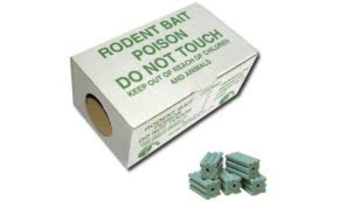
Where appropriate, rodent baiting can be carried out inside the home in safe, concealed locations. Disposable cardboard bait stations are typically placed in the roof void via the manhole, or in other suitable areas that are not accessible to children or pets.
These placements allow rodents to access the bait in their natural travel paths while keeping the bait discreet and out of sight, supporting effective control without disrupting the living areas of the home.
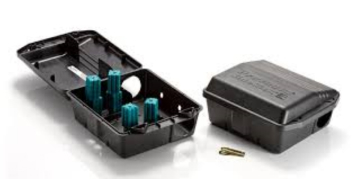
Reusable, lock-tight bait stations are used for outdoor rodent baiting in areas where pets and children may be present. These secure stations are designed to prevent access by non-target animals while allowing rodents to enter safely.
Bait stations are positioned in discreet, sheltered locations that rodents naturally prefer, providing a dark, protected environment where they are more likely to feed – improving the effectiveness of the baiting program.
Seeing a rat or mouse running away when a light is switched on – particularly in areas like garages or storage spaces – is a clear sign of rodent activity on the property.
Rodents are naturally nocturnal, so daytime sightings often indicate a well-established population that has outgrown its available shelter and food sources.
If rodents are being seen regularly, prompt action is recommended to prevent further activity and damage.
When the house goes quiet at night, scratching or scuttling sounds in the roof or walls are often one of the first signs of rodent activity. These noises are typically heard once lights are off and background noise drops, making movement in roof voids or wall cavities more noticeable.
In some cases, the sound can be confused with other pests — such as cockroaches — which tend to produce much softer, lighter noises. Rodent movement is usually more deliberate and consistent, especially during the evening and early morning hours.
If these sounds are recurring, it’s a good idea to have the activity assessed to determine the cause and take appropriate action early.
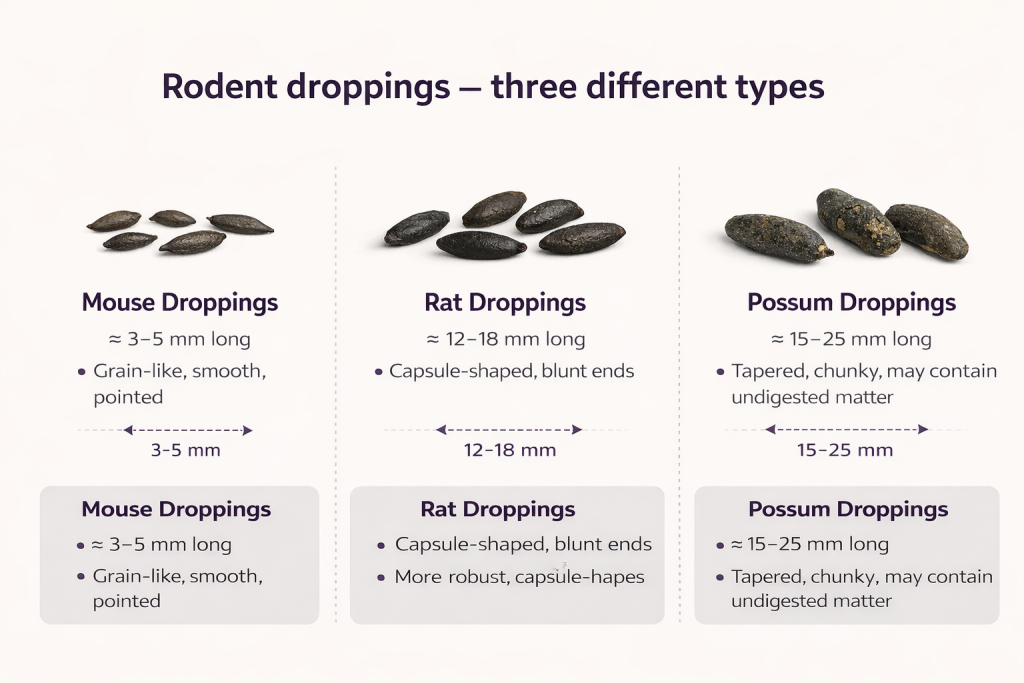
One of the most reliable ways to identify rodent activity in a home is by the presence of droppings. Our technicians are trained to recognise rodent droppings and can often determine whether rodents are present – and what type – based on their size and appearance.
Different rodents produce distinct droppings, and this information helps us:
Confirm the type of rodent involved
Understand the level and location of activity
Select the most appropriate control method
Rodents are opportunistic and will seek out any accessible food around your home. Common signs include chewed packaging in the pantry, small droppings near food, or pet food being carried into roof voids or concealed areas.
They remain in and around homes because of available food and water. Backyard food sources, such as chicken feed left on the ground, can attract rats and encourage ongoing activity. Where rodents are present, other wildlife – including snakes – may also be drawn to the area.
Reducing food sources helps, but established rodent activity often requires professional control.
You want to make sure that you get rid of entry points to your home and make both your home and yard less attractive to the rats and prevent more from entering your home. Rats are very crafty creatures and can find multiple entry points that you are unaware of.
Ways to keep rodents out of your home:
Cats and dogs are natural predators of rats and will kill them effectively.
Traps are another practical method. There are snap traps and electric traps that will kill rats, but if you prefer not to kill the rats, live traps can be used to catch them, and you can then relocate the rats far from your home.
You can use dried fruit, peanuts, dried meat, peanut butter, and cheese as bait to catch the rats. If your rats are able to remove the softer baits without getting caught by the traps, try the harder baits instead. Put the traps in your roof void, under the fridge, under the couch, and along the walls. Just be sure to keep them out of reach of your children and pets.
Tip: Make sure that the traps are meant for rats, mice traps are too small.
Garlic and onions are pungent smells that appear to keep rats away. You can sprinkle the flakes and powder or put pieces of garlic or onions in the areas rat scavenge.
You can also make a spray by chopping up about a tablespoon amount of garlic and/or onion and adding hot water. Let it cool down, add a teaspoon of oil, and then pour the mixture into a spray bottle and spray it in areas the rats frequent.
Hot peppers are very pungent and can cause the rats to struggle to breathe. Sprinkle the flakes or powder in all their hot spots, or you can make a spray the same way you would the garlic spray or make a pepper/garlic combo spray.
Peppermint, citronella, and lemon essential oils are all repellents to rats. You can also use eucalyptus oil, but pregnant women and cat owners should avoid it. There are three ways that you can go about it:
Tip: Plant peppermint plants along the walls of your home to repel the rats. Here is a helpful info sheet from Brisbane City Council:
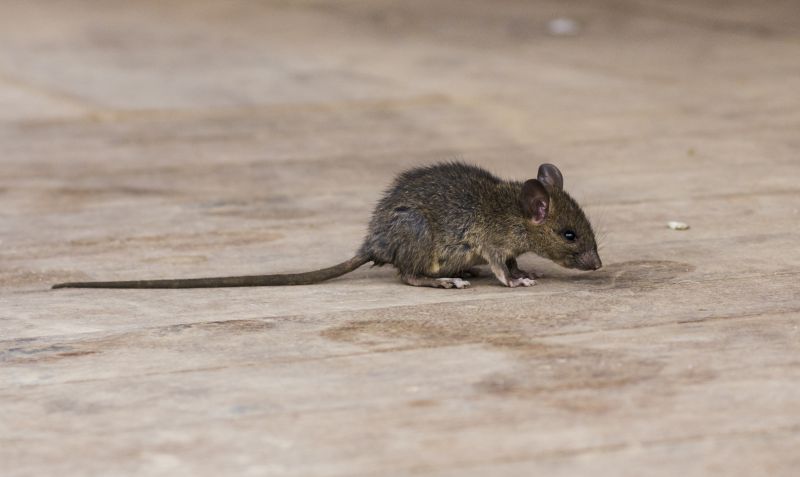
Length: (including tail) 150mm, Weight: 20g, Colour: gray
Habitat: Outdoors: they like to nest in burrows and under logs. Inside: any warm, dry, dark confined space.
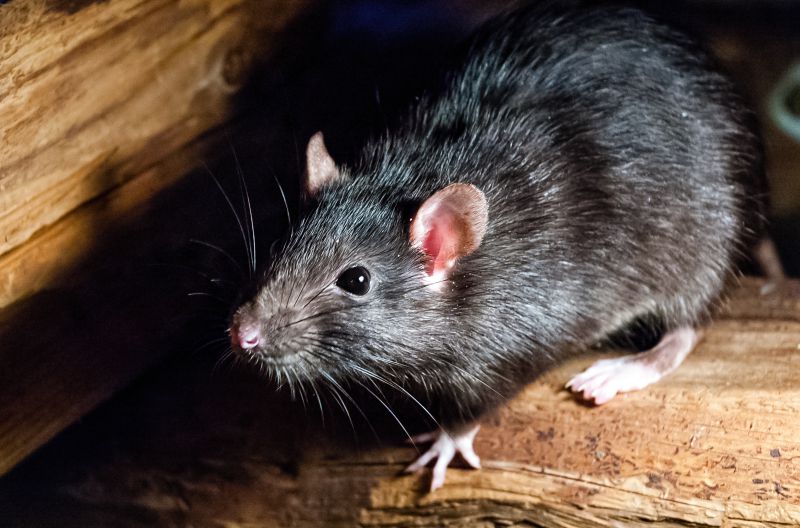
Length: (including tail) 500mm, Weight: 250g, Colour: dark gray
Habitat: Outdoors: they like to nest in trees, burrows and under logs. Inside: Higher location – roof voids and wall cavities. They like to be near a water source.
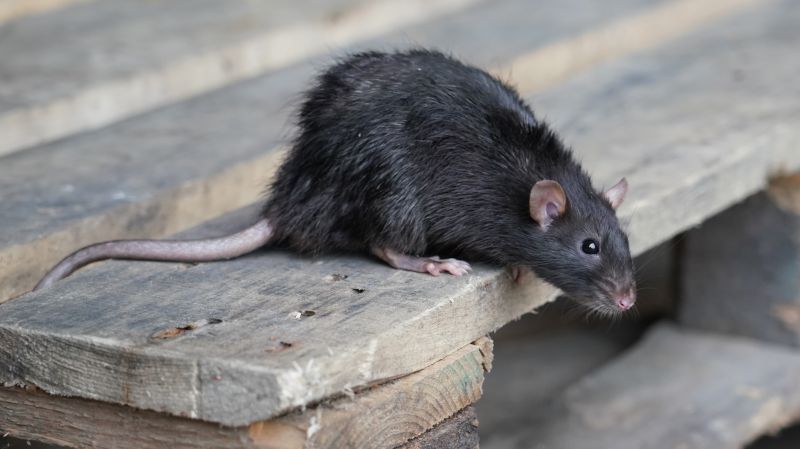
Length: (including tail) 400mm, Weight: 350g, Colour: dark gray or brown
Habitat: Outdoors: they like to nest burrows and under logs. Inside: Sub floors and under concrete slabs. They like to be near a water source.

Conquer Termites has an experienced team of fully licensed and qualified technicians to provide termite detection and treatment solutions you can trust.
Contact us NOW to make a booking
We dance every time we get a Five Star review in the office!