
Just found live termites? Here’s what to do next
If you’ve just discovered live termites in your home, the most important step is to get a professional assessment.
Have your home inspected by one of our experienced termite specialists to determine the extent of the activity. By identifying the termite species, where they’re active, and how far they’ve spread, we can build a clear, tailored treatment plan for your home.
Once the assessment is complete, we can carry out the initial treatment, ensuring it’s targeted, effective, and done properly from the start.

The initial treatment is just the beginning
Termites don’t invade by accident – they enter your home because there’s nothing stopping them.
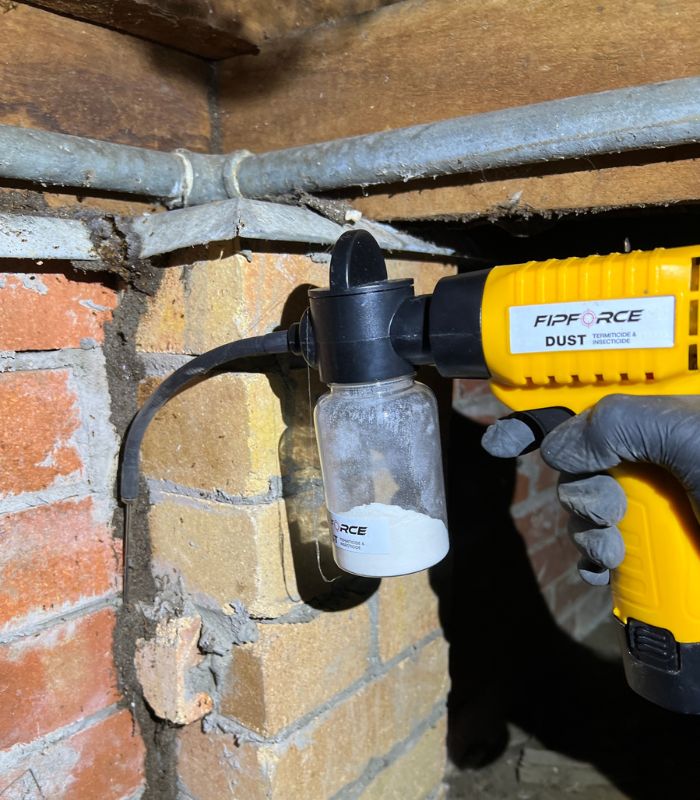
While acting quickly to treat active termites inside your home is critical, it’s only the first step. An initial treatment may control what you can see, but the nest remains active, continuing to send out workers in search of new food sources.
That’s why lasting termite protection isn’t about a single treatment – it’s about breaking the cycle and stopping termites from coming back.
To do that properly, we recommend a proven 3-step approach that targets both the activity and the cause.
Follow our 3 recommended steps ….
The 3 recommended steps:
Initial treatment options:
The correct method depends on the termite species, location, and level of activity.
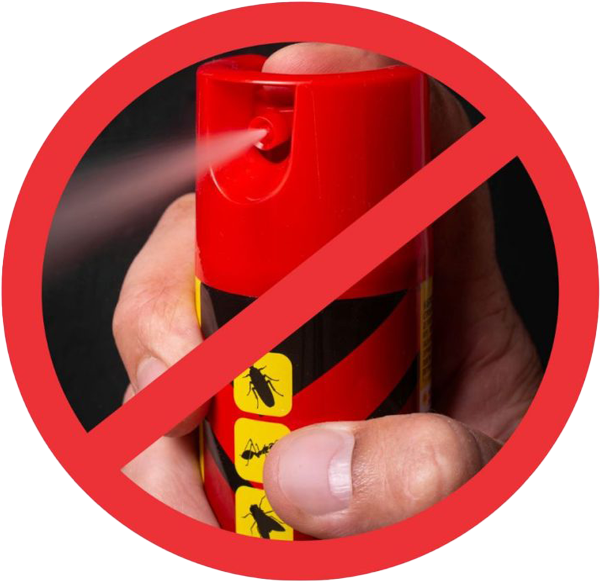
Before we attend, it’s important not to disturb the termites.
Don’t be tempted to reach for a can of bug spray and become the exterminator. If you alarm them, they’ll flee back to their nest by instinct until they feel it’s safe to come back.
This means when you call a professional Termite Technician (and you should), they don’t have the opportunity to identify the type of termite and might not be able to detect them in other areas in your home.
Some useful information about the process of treating termites
Start with a termite inspection
Common questions about what is envloved in the initial treatment of termites:
1. What does the initial termite treatment involve?
Once a thorough termite inspection has been completed, and the extent of the infestation is clearly identified, our technician will explain the most appropriate treatment option for your home.
This may involve:
-
A direct treatment to active termites using a non-repellent product such as Termidor® foam or Dust
-
The installation of an above-ground bait station to eliminate the colony at its source
-
Or, where appropriate, the safe removal of a termite nest or isolated activity
The chosen method depends on the termite species, their location, and how they are accessing the structure. Our priority is always to eliminate the problem effectively, with minimal disruption to your home.
2. How long does the termite treatment take, and when will it start working?
In many cases, the initial termite treatment can be carried out on the same day as the inspection, once the extent of the activity is confirmed.
If a direct treatment is recommended, the application itself may take only minutes and will begin working immediately to eliminate active termites.
If an above-ground baiting system is the most appropriate solution, the process takes longer. While installation is quick, baiting works by allowing termites to carry the bait back to the colony, which can take several weeks or even months to achieve full control.
Your technician will explain the expected timeframes, effectiveness, and next steps after assessing the situation, so you know exactly what to expect.
3. Do I need to prepare my home before the initial termite treatment?
Very little preparation is required. Please ensure there is clear and safe access to the affected areas so our technician can work efficiently.
Most importantly, do not disturb the termite activity. Spraying, poking, or pulling apart affected areas can cause termites to retreat and spread, making professional treatment far less effective.
Leave the activity as you found it and let our technician assess and treat the problem properly.
4. Will the initial treatment eliminate all termites and protect against future infestations?
The initial treatment is designed to control active termite activity, but on its own it does not guarantee complete eradication or long-term protection.
Until termites are prevented from re-entering the structure from their nest – typically by installing a full, continuous chemical barrier around the external perimeter of the home – there can be no certainty of ongoing protection.
Your technician will explain whether further treatment is required and outline a long-term termite management plan to properly protect your home.